A tale of sportsmanship, chance and obsession, The Penalty Kick by Robert McCrum explores both the addiction of risk, and a doomed father-son relationship that could have been torn from the pages of a late-Victorian novel, inspired by the edgy, ruthless and egalitarian spirit of Northern Ireland.
A tale of sportsmanship, chance and obsession, The Penalty Kick by Robert McCrum explores both the addiction of risk, and a doomed father-son relationship that could have been torn from the pages of a late-Victorian novel, inspired by the edgy, ruthless and egalitarian spirit of Northern Ireland.
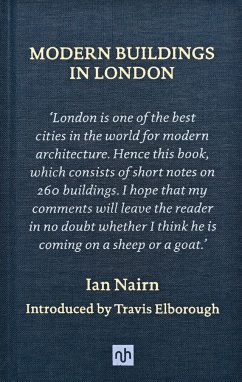
First published in 1964, Modern Buildings in London is a celebration of the city’s post-war architecture by the famously untrained critic Ian Nairn. Written ‘by a layman for laymen’, Nairn’s take on 260 buildings that were instantly recognisable as ‘modern’ includes descriptions of classic designs such as the Barbican, the former BBC Television Centre, as well as schools, ambulance stations, car parks and even care homes.
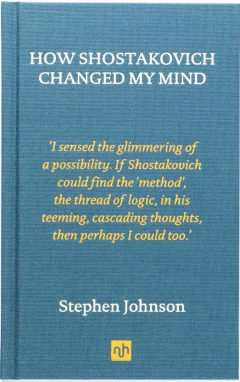
Winner of the 2021 Rubery Book Award. BBC music broadcaster Stephen Johnson (who has Bipolar Disorder himself) explores the power of Shostakovich’s music during Stalin’s reign of terror, and writes of the extraordinary healing effect of music on the mind for sufferers of mental illness.
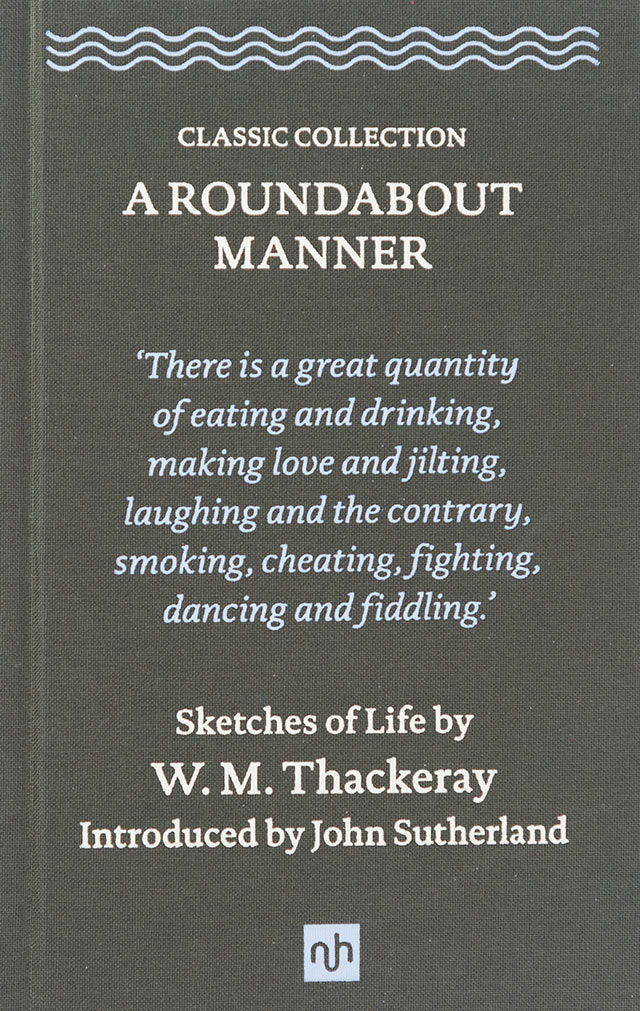
This is the first ‘sampler’ which covers all of Thackeray’s versatile genius: his cartoons, his journalism, his carefully restrained sentimentality (much to Victorian taste), his cutting satire, his essayism and what one could grandly call the Thackerayan world view.
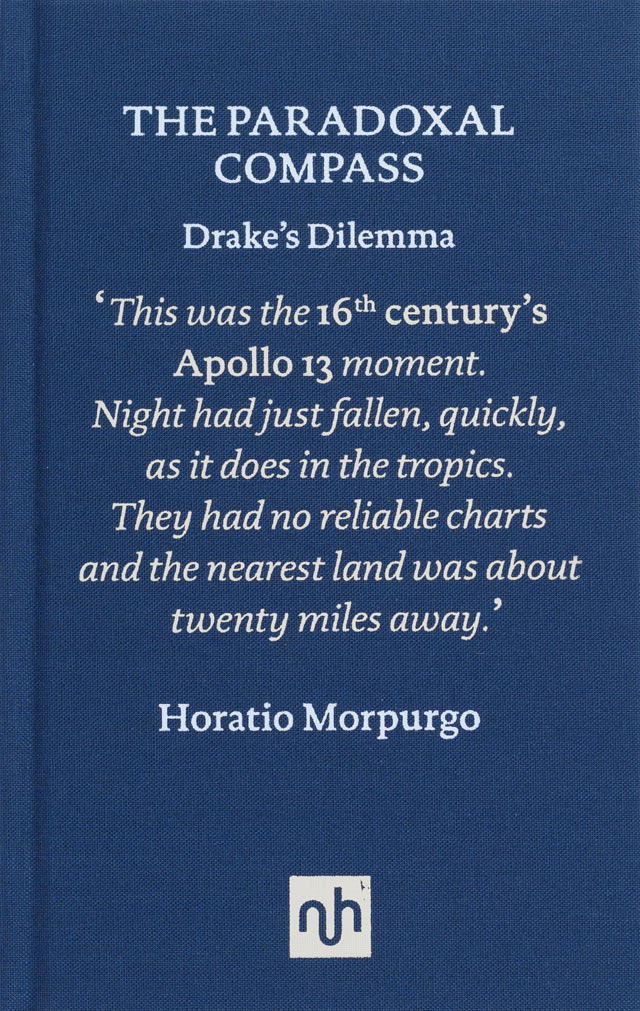
The Paradoxal Compass is both historical narrative and environmental manifesto. Morpurgo compares our own tipping point with the ‘great unsettling’ faced by the Elizabethans more than four centuries ago. As the modern world continues to plunder the ‘infinite store’ of the earth’s riches, Morpurgo explores how our abusive relationship with the natural world began. He asks what the Age of Discovery might have to teach us in the current environmental crisis, as we too reappraise our place in the world.
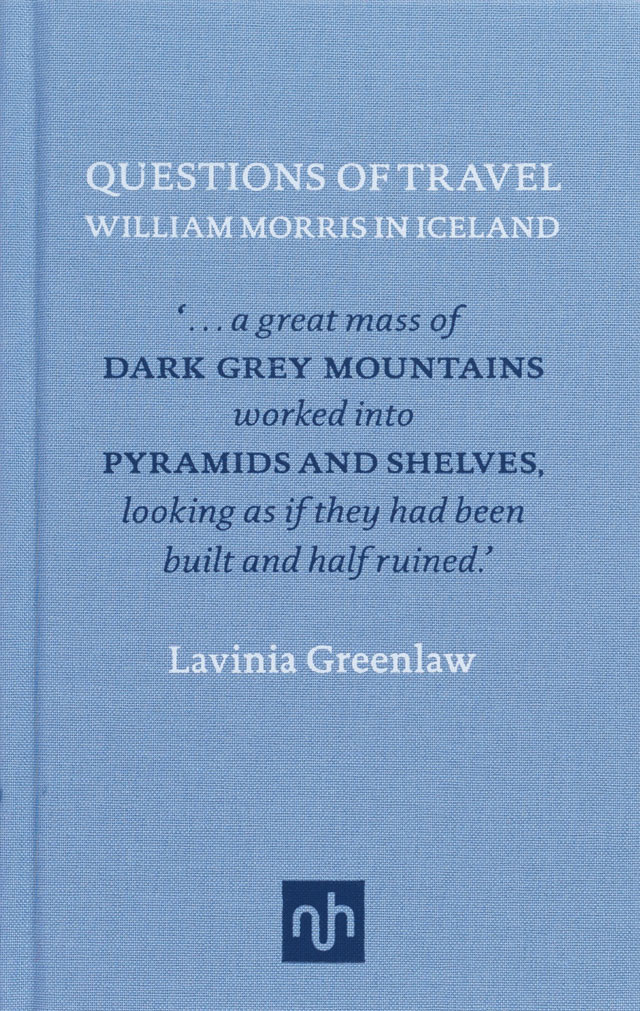
The great Victorian William Morris was fascinated by Iceland, which inspired him to write one of the masterpieces of travel literature. Poet Lavinia Greenlaw follows in his footsteps, combining excerpts from his Icelandic writings with her own eye-witness response to the country and creates a highly original meditation – part memoir, part prose poem, part criticism, part travelogue.